Five government-subsidized grocery stores are scheduled to open in New York City by the end of 2029. Could this possibly work?
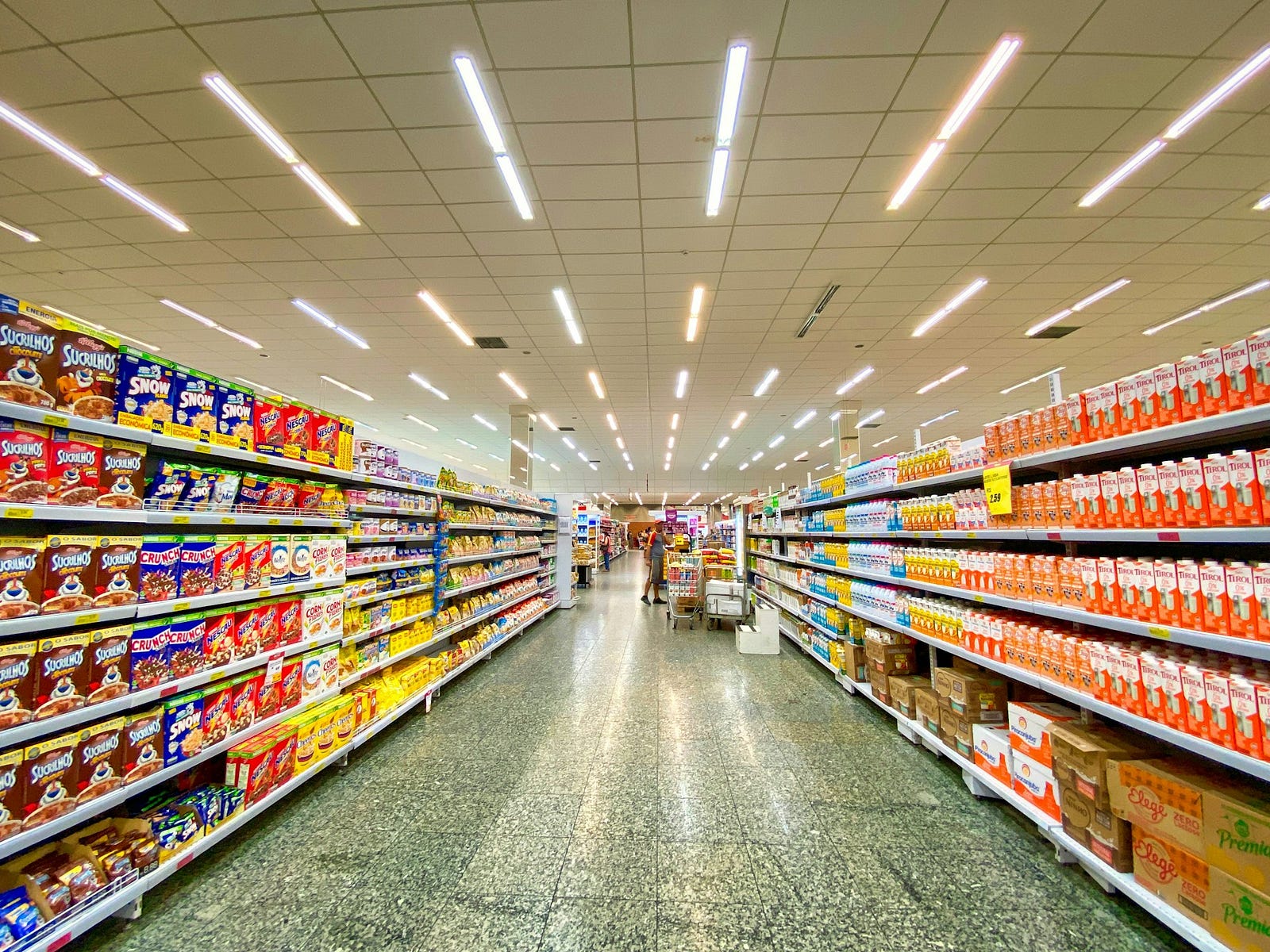
New York Mayor Zohran Mamdani’s plan to establish five municipal grocery stores has advanced from campaign promise to taxpayer-funded experiment. The city has allocated $70 million to construct one store in each borough, with the first expected to open in Hunts Point by the end of 2027 and all five promised by the end of 2029.
Mamdani says the stores will sell a “core basket” of groceries at prices 30 percent below conventional retail. The discount will cover fresh produce, meat and seafood, as well as milk, eggs, bread, pasta and other staples. City Hall estimates that participating shoppers could save approximately $90 a month.
Who wouldn’t like that?
But the popularity of subsidized groceries is practically guaranteed. The difficult question is whether the stores can deliver those savings efficiently — and whether New Yorkers will be told what the savings really cost.
The stores will not be entirely government-run. New York City will own the premises and pay for construction, while a private grocery company handles inventory, staffing and daily operations. The stores will pay neither rent nor property taxes. They will not be expected to generate an ordinary profit. The city also anticipates providing continuing subsidies to maintain the promised discounts.
This arrangement can certainly produce lower prices at the register. But it does not make food less expensive to provide. It transfers part of the cost from shoppers to taxpayers.
That distinction is especially important in the grocery business, where net profit margins commonly hover in the low single digits. Eliminating a 2 percent profit cannot produce a 30 percent price reduction. Forgiving rent and property taxes will help, but most grocery expenses remain: wholesale food prices, wages, refrigeration, electricity, security, transportation, spoilage and theft.
If the price at checkout is 30 percent below the store’s actual cost, taxpayers must finance the difference.
The administration has not yet explained how large that subsidy will become. Nor has it settled several elementary questions, including how “market price” will be calculated, how operators will be reimbursed when wholesale prices rise, and how much continuing support will be required beyond the original $70 million capital allocation.
The construction budget itself already looks optimistic. The planned 9,000-square-foot store at La Marqueta in East Harlem is expected to cost approximately $30 million. That leaves only $40 million for the other four locations. Public construction projects in New York are not celebrated for arriving early and under budget, particularly when they involve prevailing-wage requirements, complicated procurement and multiple city agencies.
The project also contains a built-in invitation to exploitation. Its subsidized prices will be available to everyone, regardless of income or residence. Shoppers will not have to prove that they live in New York City — or even that they are purchasing food for personal use.
Officials have proposed a free, voluntary customer card to monitor purchases and discourage bulk resale. But a card requiring no verified identity cannot establish that one person has not obtained several cards. Transaction limits can be defeated through repeat visits or additional shoppers.
The economic incentive is obvious. If the city sells $100 worth of meat, seafood or other desirable goods for $70, a reseller can offer them elsewhere for $85. The customer saves money, the reseller earns a profit and the taxpayer absorbs the loss.
The city could require verified accounts and impose household limits. But doing so would contradict Mamdani’s promise of universal access. Restricting quantities would also penalize large families. The administration wants to offer steep discounts, prevent resale and verify nobody. Those objectives cannot be reconciled.
Existing grocers face a different problem. Independent supermarkets and immigrant-owned bodegas must pay rent and taxes while competing with stores that receive free premises and taxpayer-subsidized inventory. If a municipal store attracts customers by selling goods below cost, its crowded aisles will be celebrated as proof of success. Meanwhile, nearby businesses may lose sales or close.
Five stores also cannot significantly lower grocery prices in a city of more than eight million people. They may improve access in Hunts Point, where residents have relatively few full-service options. The case for the East Harlem location is weaker: La Marqueta sits near numerous existing food retailers.
The most likely result is neither immediate disaster nor socialist utopia. One or more stores will probably open, shoppers will appreciate the bargains, and City Hall will present heavy demand as vindication. Construction costs and operating subsidies will be scattered across government budgets, making the program’s complete price difficult for the public to see.
The honest measurement should be the amount taxpayers spend for every dollar shoppers save, together with the percentage of benefits reaching food-insecure families and the effect on nearby businesses.
Mamdani’s grocery stores may succeed as five subsidized neighborhood amenities. They are far less likely to succeed as a sustainable model for making food affordable. Selling groceries below cost is easy. Proving that New Yorkers received more value than taxpayers surrendered will be much harder.
(Contributing writer, Brooke Bell)